
![Dried cactus tissue refers to slices or chips taken from mescaline-containing cacti, then dried for preservation. These cactus pieces are traditionally used in various cultural and ceremonial settings. Drying helps retain the cactus’s alkaloids, especially mescaline, and makes it easier to store or transport. Why People Seek Traditional Cactus Tissue People are often interested in […]](https://shamanic-extracts.com/wp-content/uploads/mescaline-cactus-tissue.jpg)
Why People Seek Traditional Cactus Tissue
People are often interested in dried cactus for ethnobotanical study, collection, or ceremonial use. These plants have a long history among indigenous cultures in the Andes and Mexico. For many, the interest lies in the ritual use of the cactus and the connection to natural traditions.
The Cactus Species We Offer
1. Stenocereus (Ritterocereus hystrix)
This rare cactus comes from dry regions of Central America and the Caribbean. It’s less common in modern collections but known in some cultures for its traditional use. The tissue is thick and dark when dried, with a rugged outer layer.
2. Trichocereus Macrogonus
Closely related to the more familiar Peruvian Torch, Macrogonus is a fast-growing columnar cactus with high mescaline potential. When dried, it becomes leathery and fragrant, often with a bluish-green hue. Its traditional use traces back to the highlands of Peru and Bolivia.
3. Trichocereus Pachanoi (San Pedro Cactus)
San Pedro is one of the most well-known traditional cacti. Native to the Andes, Pachanoi has been used in spiritual and healing ceremonies for thousands of years. The dried tissue is light in color and slightly sweet in scent.
4. Trichocereus Peruvianus (Peruvian Torch)
Peruvian Torch is popular for both ceremonial use and botanical interest. It’s a fast-growing cactus with a bluish stem. The dried tissue is often fibrous and dense, showing years of natural growth. It’s been used in traditional contexts much like San Pedro.
5. Trichocereus Spachianus
Spachianus is native to Argentina. It’s less talked about but still holds traditional value. The dried tissue tends to be lighter and thinner, with a soft citrus-like aroma. While it may contain lower mescaline levels than the others, its role in South American plant culture remains important.
How Dried Cactus Is Prepared
Drying cactus tissue involves slicing the outer green flesh into thin strips and letting them air dry away from direct sun. This method helps preserve the alkaloids without degrading them. Once dried, the tissue can be kept for long periods in a cool, dark place.
Sourcing and Ethics
All our dried cactus tissue is sourced with care and respect. We work with growers who follow sustainable practices and honor the traditions behind these plants. We do not promote misuse, and we encourage customers to respect the laws in their area.
Final Thoughts
Dried cactus tissue offers a link to a long history of cultural and spiritual traditions. Whether you’re a collector, researcher, or just curious, it’s important to approach these plants with respect and care.
You can find all the species listed above in our webshop. Each comes labeled and ready for responsible use.
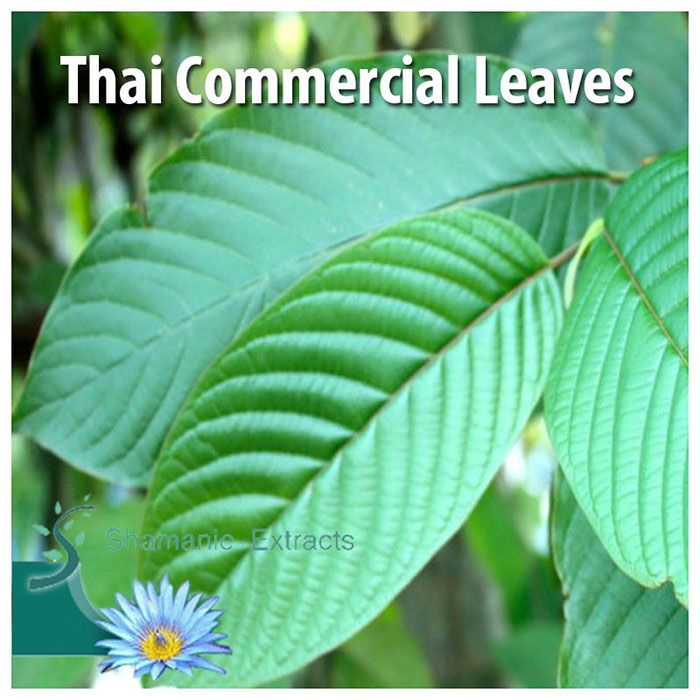
Thai Kratom Crushed Leaves – Legal, Plantation-Grown Mitragyna Speciosa
Our Thai Commercial Crushed Kratom Leaves are harvested from legally cultivated Mitragyna speciosa plantations in Thailand. While Kratom remains banned for use and export in much of Thailand, our supply is sourced exclusively through licensed and legally operated farms that comply with international regulations.
Thai Kratom is well-known for its stimulating and energizing properties. Compared to the more relaxing “Bali” variety, Thai Kratom is often preferred during the day for clarity, focus, and physical motivation, though it may offer slightly less euphoria.
Crushed leaf form makes it easy to brew into tea, blend into smoothies, or use in your preferred method. The material is carefully dried, processed, and packaged for freshness.
Alkaloid Content
Over 25 active alkaloids have been identified in Mitragyna speciosa, with the most abundant being:
- Mitragynine
- Paynanthine
- Speciogynine
- Speciociliatine (in small amounts)
Also present are oxindoles such as:
- Mitraphylline
- Speciofoline
- Rhynchophylline
- Ajmalicine
On average, dried Kratom leaves contain about 0.5% total alkaloids, with roughly half of that being mitragynine. A single dried leaf weighs approximately 0.43 grams, and 20 leaves contain about 17 mg of mitragynine.
Note: Alkaloid levels may vary naturally based on harvest season, geography, and time of year. Thai Kratom, however, is generally consistent in its indole profile and known for producing a clean, uplifting effect.
Why choose Shamanic Extracts Thai Kratom?
- 100% legal Thai-sourced product
- Crushed leaf form – fresh and easy to use
- Ideal for energizing, daytime use
- Ethically grown and internationally shipped
Disclaimer: This product is intended for responsible adult use. Not for use by minors. Do not consume while pregnant, nursing, or operating machinery. Always consult a professional if unsure. Keep out of reach of children.